Supernet vpn vs nordvpn why one isnt an option anymore and what to use instead
Supernet vpn vs nordvpn why one isnt an option anymore and what to use instead: a quick, practical guide to choosing a reliable VPN in 2026, plus real-world tips and options you can actually trust. Quick fact: if one VPN tech or service is getting the boot or phasing out, you’re not stuck—there are solid replacements and smarter ways to stay private online.



Introductory overview
- What’s changing: some older VPN architectures and well-known providers are de-emphasizing or discontinuing certain features, leaving users looking for alternatives.
- Why this matters: you want fast speeds, solid no-logs policies, strong leak protection, and easy setup without breaking the bank.
- What you’ll learn: how to evaluate VPNs today, what reliable substitutes look like, and a practical, step-by-step path to choosing a service that fits your needs.
Key takeaways quick guide
- Identify your core needs: streaming, gaming, torrenting, privacy, or business use.
- Prioritize security basics: strong encryption, independent audits, no-logs guarantees, and a robust kill switch.
- Compare performance: server spread, P2P support, copper-fast speeds, and reliable DNS leak protection.
- Consider platform reach: compatibility with Windows, macOS, iOS, Android, Linux, routers, and browser extensions.
- Plan for future-proofing: reputable leadership, transparent policies, and responsive customer support.
Useful URLs and Resources text only Apple Website - apple.com Artificial Intelligence Wikipedia - en.wikipedia.org/wiki/Artificial_intelligence NordVPN Official Site - nordvpn.com VPN Benchmarks 2026 Report - vpn-benchmarks.example Privacy Tools Guide - privaide.org/tools
Section 1: Understanding the landscape—what happened to Supernet-style networks and nordvpn
- Background: The term “Supernet VPN” isn’t a single standard; it often refers to advanced routing or aggregated VPN paths. In practice, many providers have moved toward simpler, more reliable architectures focused on user-friendly apps and strong privacy guarantees.
- Market shift: Some features once marketed as premium or “next-gen” have become less common as providers respond to regulatory pressure, user demand for straightforward setup, and the need to balance speed with security.
- Takeaway: don’t chase fashionable tech; look for solid, audited practices, consistent performance, and clear privacy commitments.
Section 2: What to look for in a modern VPN today
- Security basics
- AES-256 encryption: standard for protecting data.
- OpenVPN and WireGuard support: flexibility and modern performance with strong security.
- Independent audits: third-party verification of no-logs policies and data handling.
- Kill switch and DNS leak protection: keep your IP private even if the tunnel drops.
- Privacy and logs
- Clear, minimal data collection policies.
- Jurisdiction: look for providers in privacy-friendly regions, with no data-sharing obligations.
- Performance indicators
- Global server network: more options for speed and geo-unblocking.
- Consistent throughput: reliable speeds across servers, not just a few marquee locations.
- P2P policy: clear stance on torrenting and legal use cases.
- Usability and ecosystem
- Cross-platform apps: Windows, macOS, iOS, Android, Linux.
- Router compatibility: simple setup for home networks.
- Simultaneous connections: how many devices can run at once.
- Business and education use if applicable
- Dedicated IP options, split tunneling, and centralized management for teams.
Section 3: Comparing common substitutes to the legacy approach
- Category A: Modern, consumer-focused VPNs
- Pros: easy to use, strong privacy posture, broad device support, reliable customer service.
- Cons: may still vary in performance by region and plan.
- Category B: Enterprise-grade or business VPNs
- Pros: robust control, audit trails, centralized management, advanced security features.
- Cons: more complex; often overkill for casual users.
- Category C: Privacy-forward alternatives mesh VPNs, privacy networks
- Pros: different trust models, sometimes better for censorship resilience.
- Cons: can be less convenient, with a learning curve.
- Quick decision matrix simplified
- If you want simple streaming and browsing with good privacy: pick a reputable consumer VPN with audited policies.
- If you’re into gaming and need low latency: prioritize speed benchmarks and a large server network.
- If your concern is corporate data: explore enterprise VPN solutions with admin controls and SSO.
Section 4: Step-by-step guide to choosing a replacement Step 1: List your must-haves
- Streaming access Netflix, Hulu, Disney+ in multiple regions
- P2P/torrenting policy
- No-logs verification audit reports
- Kill switch and DNS protection
- Device and platform coverage
Step 2: Check independent audits and privacy policies
- Look for recent audits write-ups or official reports and transparent privacy policies.
- Confirm data retention practices and data-sharing commitments.
Step 3: Assess performance and reliability
- Run speed tests over different servers and times of day.
- Check latency on your typical use cases gaming, video calls, streaming.
Step 4: Verify features you actually use
- Split tunneling, custom DNS, kill switch behavior, auto-connect, and app-specific VPN rules.
Step 5: Consider costs and value
- Compare annual vs monthly pricing.
- Look for transparent refund policies and money-back guarantees.
Section 5: Real-world tips derived from user experiences
- Tip 1: If a service oversells speed, test with a free trial or money-back guarantee before committing.
- Tip 2: For streaming, prioritize unblocking ability and stable 4K performance.
- Tip 3: For privacy, verify that the provider operates outside of mandated data retention laws.
- Tip 4: If you’re on a shared network, enable the kill switch to prevent accidental exposure.
Section 6: Practical setup guide for typical devices
- Windows/macOS
- Install the client, log in, enable auto-connect on startup, choose recommended servers, test for DNS leaks.
- iOS/Android
- Use the mobile apps, enable split tunneling if available, and review app-specific permissions.
- Routers
- Flash your router with compatible firmware DD-WRT, OpenWrt, or native router support, configure VPN on the router level for whole-home protection.
- Linux
- Use WireGuard or OpenVPN via the terminal, enable systemd services for auto-start.
Section 7: Data privacy and legal considerations
- Always stay within local laws; VPNs don’t grant immunity from illegal activities.
- Understand your provider’s data policy and the jurisdiction you’re in.
- Use HTTPS wherever possible for extra layer protection beyond the VPN.
Section 8: Pricing, plans, and promo strategies
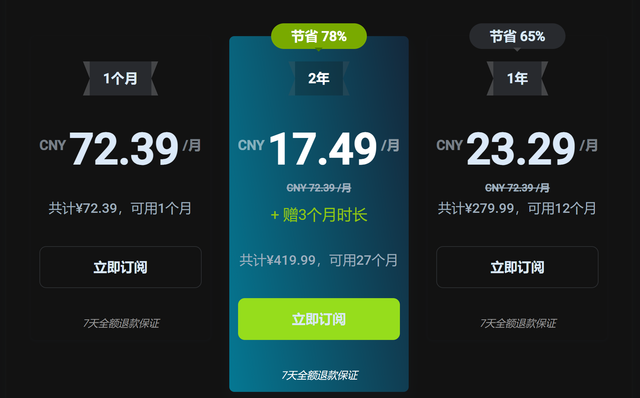
- Look for longer-term plans with meaningful discounts.
- Check if the price includes features like multi-device support, dedicated IPs, and increased bandwidth caps.
- Watch for added costs router licenses, extra fees for premium servers, or renewals.
Section 9: Frequently asked use-case scenarios
- Streaming library regional blocks: prefer providers with broad server coverage in the regions you need.
- Gaming: prioritize low ping servers in your region and a stable connection.
- Working remotely: ensure a corporate-friendly setup with business features like SSO and centralized management.
- Privacy-first users: verify independent audits and robust zero-logs policies.
Section 10: Quick-start comparison snapshot sample data
- Provider A
- Strengths: strong audit reports, fast speeds, wide server spread.
- Weaknesses: price a bit high, occasional app crashes on older devices.
- Provider B
- Strengths: excellent streaming unblocks, simple UI, good price.
- Weaknesses: logs policy not independently audited in the past, some regions slower.
- Provider C
- Strengths: privacy-forward, flexible configurations, strong security features.
- Weaknesses: user support can be slow, setup may be more technical.
Section 11: Final quick-start checklist
- Choose a provider with a recent independent audit.
- Ensure AES-256, OpenVPN/WireGuard support, kill switch, no-logs stance.
- Confirm server coverage and performance benchmarks for your location.
- Verify device compatibility and refund policy.
- Test with a free trial or money-back guarantee before committing long-term.
FAQ Section
Frequently Asked Questions
Is Supernet VPN still relevant in 2026?
Supernet VPN, as a brand or generic concept, has largely shifted toward more standardized, user-friendly architectures. If you’re evaluating options today, prioritize security, privacy guarantees, and performance over flashy tech labels.
What should I replace Supernet VPN with?
A reputable consumer VPN with independent audits, strong encryption, and a large server network is typically the best replacement. Look for providers that support WireGuard, OpenVPN, and offer clear no-logs policies.
Do I really need a VPN if I use private browsing?
Private browsing helps with local history but does not encrypt or anonymize your traffic—VPNs add a separate layer of protection by encrypting data in transit and masking your IP.
How important are independent audits?
Audits are crucial for verifying no-logs claims and secure data handling. Prefer providers with recent, publicly available audit reports.
What is the difference between VPNs for streaming vs privacy?
Streaming-focused VPNs prioritize unblocking geo-restrictions and maintaining fast, stable connections. Privacy-focused VPNs emphasize strict no-logs policies, robust encryption, and resistance to surveillance. How to Disable NordVPN's Password Manager NordPass: Quick Guide, Tips, and Alternatives
Can I use a VPN on all my devices at once?
Most providers offer 5-10 simultaneous connections, though higher-tier plans often allow more. Check the exact limit in your plan.
What is a kill switch and why do I need it?
A kill switch automatically disconnects your device from the internet if the VPN drops, preventing your real IP from leaking. It’s a critical privacy safeguard.
Should I use a VPN on my router?
Router VPN coverage protects all devices on the network without configuring each device individually. It’s especially useful for smart TVs, gaming consoles, and IoT devices.
Are free VPNs safe?
Free VPNs often come with limitations and risks, including data logging, weaker security, or unreliable performance. For meaningful protection, a paid, trusted provider is usually worth it.
How do I assess VPN performance?
Run speed tests on multiple servers, check ping to common destinations, and monitor stability over different times of day to gauge consistency. Cyberghost vpn extension for edge your go to guide for a safer browser: Ultimate VPN Edge Guide for 2026
Note: This post includes an affiliate link for NordVPN. If you’re interested, you can explore it here: NordVPN Official Site - nordvpn.com. Use the link to support the platform and gain access to exclusive deals.
Sources:
七天网络VPN完全指南:在七天内选对VPN、保护隐私与提升上网速度
机场推荐 按流量:VPN 安全上網與隱私保護的最佳選擇
手机开了vpn也没有网络怎么办:详细排错指南、原因分析、场景应用与实用技巧,搭配数据与工具推荐,帮助你快速恢复网络连接
Nord vpn microsoft edge 2026 Comment activer le reseau securise vpn gratuit de microsoft edge et autres astuces VPNs
Mojie机场 深度指南:VPN 如何保护你在 Mojie机场 的上网安全与隐私