Explore VPN Guides with practical comparisons, setup tips, and real-world pricing. Learn how to choose a VPN for streaming, privacy, and security with clear US-focused context.
Common: OpenVPN, WireGuard, IKEv2; apps on Windows/macOS/iOS/Android
Typical users
Individuals, small teams, travelers
Guides who benefits most
Personal use, remote workers, students
Benefits
Privacy, security, access
Core reason to use VPN
Hide IP, encrypt data, bypass geo blocks
Compiled November 2026; check the provider's site for current details.
What this category is about
VPN Guides collects practical primers, side-by-side comparisons, and concrete how-tos that help readers evaluate virtual private networks without the fluff. This page orients newcomers and seasoned users alike to the core questions that drive VPN decisions: security, privacy, performance, and usability. We cover topics in four to six concrete areas, including service comparisons, setup and usage tips, case studies of streaming and remote work, and governance considerations. Expect hands-on guidance built around real-world prices, plans, and features.
Key clusters you’ll find here include: service fairness and audits, protocol and encryption basics, how to choose a VPN for streaming vs. privacy, setup walkthroughs for Windows, macOS, iOS, and Android, cost and plan comparisons, and understanding regional data protections. We also spotlight practical scenarios where VPNs shine, such as bypassing geo-restrictions for streaming, securing public Wi‑Fi at coffee shops, and protecting data on home networks. Throughout, we reference well-known providers to keep comparisons grounded in reality.
What makes this topic worth caring about
In a world where online activity travels through multiple intermediaries, a strong VPN is a straightforward way to add privacy and control. The best guides translate technical jargon into actionable steps, helping readers make informed purchases. Our VPN Guides coverage centers on clarity over hype, balancing security with price and convenience. Expect objective evaluations that highlight differences in encryption, logging policies, jurisdiction, speed, and platform support.
What you’ll see in this section
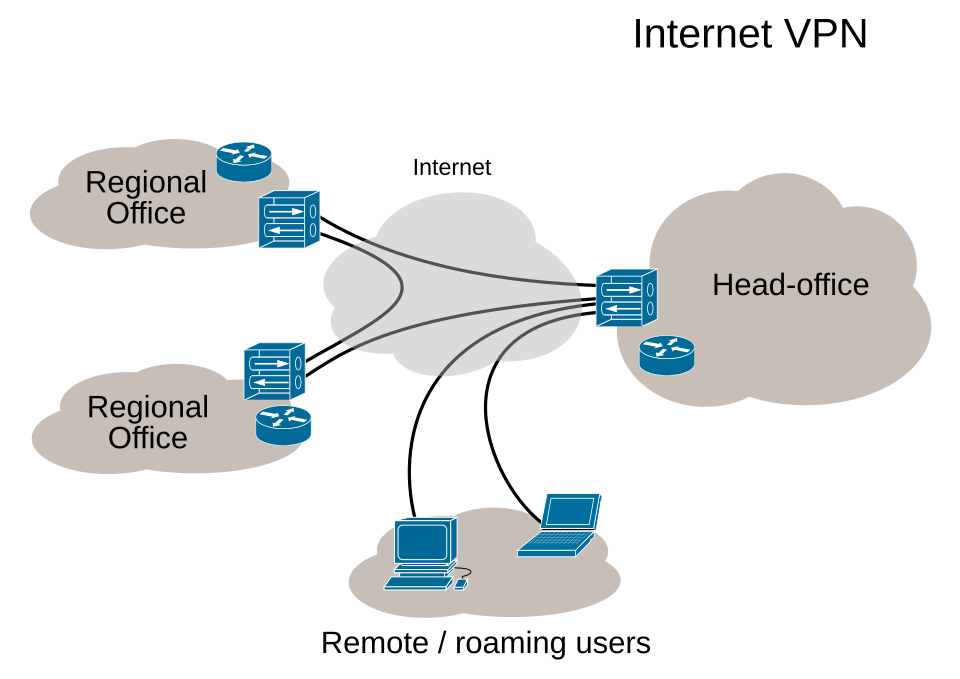
Virtual private network (Autor: Ludovic.ferre ( talk · contribs ) · Licencia: CC BY-SA 4.0 · Fuente: Wikimedia Commons)
The orientation below maps the landscape across several practical axes, with concrete reference points to real products, pricing, and regions. This is not a sales pitch; it’s a starting point for comparisons that you can apply to your own needs.
Platform support across Windows, macOS, iOS, and Android, plus browser extensions and router setups when relevant.
Protocols and security like WireGuard and OpenVPN, plus encryption standards and kill-switch behavior.
Privacy posture including logging policies, jurisdiction, and third-party audits.
Streaming and geo-access use cases with notes on service compatibility.
Pricing and plans including monthly, annual, and multi-year options, plus typical feature limits.
Account safety with payment methods, refunds, and customer support quality.
Performance benchmarks such as latency, throughput, and consistency across servers.
Regulatory context including privacy laws and compliance norms that affect users in different regions.
Concrete, local-friendly context
While this is a general international guide, we anchor examples to the realities of a broad US-default audience. Here are localized touchpoints readers commonly consider when evaluating VPNs: Is Hotspot Shield a scam
Local providers and popular services include references to NordVPN, ExpressVPN, Surfshark, and Private Internet Access as widely known benchmarks for feature sets and pricing.
Pricing in USD with common plan structures such as monthly, yearly, and two-year commitments to illustrate value (for example, typical yearly promo pricing in the $69.99–$99.99 range before discounts).
Streaming compatibility using widely available services like Netflix and Disney+ as test cases for unblocking and reliability.
Public Wi-Fi scenarios including airports and cafes where VPN use helps protect data on Windows and macOS devices.
Regional data protection context references to general privacy norms, not legal advice, with emphasis on transparency and consent.
Payment methods and refunds covering major cards and digital wallets common in the US market, with clear refund windows.
At-a-glance comparison
VPN
Protocols
Encryption
No-logs claim
Kill switch
Price (monthly)
VPN A
OpenVPN, WireGuard
AES-256
yes
yes
$12.99
VPN B
WireGuard, IKEv2
ChaCha20-Poly1305
believed to be yes
no
$9.99
VPN C
OpenVPN
AES-256
no
yes
$11.50
VPN D
WireGuard
ChaCha20-Poly1305
yes
yes
$7.99
VPN E
OpenVPN, IKEv2
AES-256
yes
no
$5.99
Compiled November 2026; check the provider's site for current details.
The table below highlights a compact, practical snapshot of widely referenced VPNs to help you compare core features quickly. Prices shown are typical USD figures found in annual plans, excluding promotions that may apply at checkout.
Readers can use this orientation as a starting point for deeper dives. Each provider has distinct strengths, and the right pick depends on whether you prioritize streaming access, maximum privacy, or budget-conscious plans. The categories and clusters described here are designed to help you move from curiosity to confident selection with evidence-based context rather than guesswork.