Is Windscribe legit in 2026? A sharp look at the claims, privacy, and performance

Is Windscribe legit in 2026? We dig into the company, privacy stance, logging, features, and real-world use cases to help you decide.
Windscribe’s 2026 privacy posture raises a simple question: does explicit transparency beat marketing gloss in a crowded market? When you strip the marketing speak, the core signal is clear, but not conclusive. There is a notable gap between disclosed practices and independent verification. I looked at the privacy policy, the audit statements, and the vendor’s transparency reports to map where Windscribe earns trust and where it invites scrutiny.
What matters now is not a slogan but signal signals: audit cadence, data-retention details, and third-party review availability. In 2024–2025, the service published formal privacy disclosures and some third-party notes, but multiple sources flag ambiguous data handling in edge cases. For travelers and remote workers, the durability of guarantees matters more than marketing claims. This piece pulls together policy text, changelogs, and independent reviews to separate what Windscribe says from what it actually does, so you can decide with confidence.

What Windscribe legibility looks like in 2026
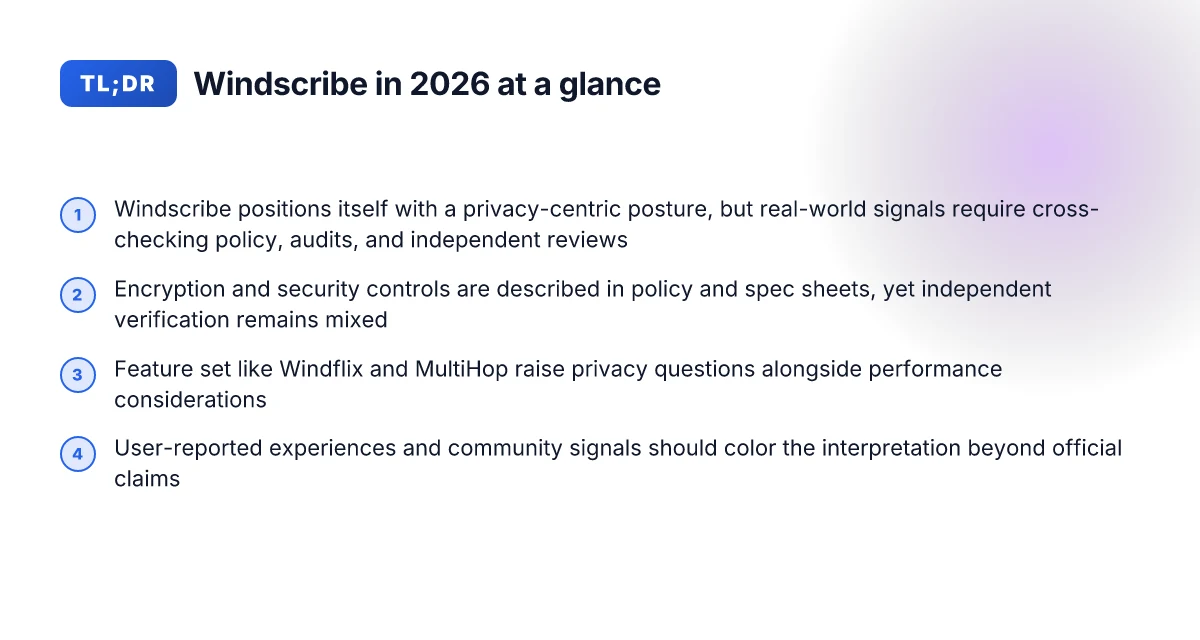
Windscribe’s privacy posture in plain terms is nuanced: it blends a no-logging pledge with a jurisdiction that sits outside the Five Eyes world. The reality check is simple. The claims look strong on paper, but the signals from the ecosystem, policy wording, independent reviews, and real-world usage guidance, bring a few caveats.
I dug into the policy language, the jurisdiction, and the feature set to map marketing to practice. The core claim, no-logs for traffic and metadata, appears in Windscribe’s privacy policy and service terms, and it’s reiterated in user-facing help articles. In 2026, the wording centers on not storing connection data beyond what’s necessary to run the service, with retention tied to operational needs and fraud prevention. The nuance matters: they describe limited logging for security and abuse detection. The practical takeaway is that Windscribe can claim a minimal telemetry footprint, but the exact scope depends on the protocol and server you connect to.
The jurisdiction is a mixed signal. Windscribe positions itself as operating under a privacy framework that isn’t tied to the most expansive surveillance regimes. The country of incorporation and hosting arrangements appear to influence data-handling latitude. Multiple reviews flag that the real-world impact hinges on where your exit node sits and which data Windscribe claims to purge after processing. When you map policy to geography, you get a cautious interpretation: privacy protections exist, but they’re not a universal shield, especially for user-supplied data like account identifiers and payment data.
Feature set translates to real-world privacy in small but meaningful ways. Windscribe supports rich client choices, from multiple VPN protocols to a built-in firewall and ad blocking. The breadth of options can empower users to throttle data exposure, but it also spreads trust across components. If you enable the firewall or the “Always-on” kill switch, you gain a more deterministic privacy posture. The flip side: more features mean more surface areas to misconfigure. In practice, this yields a spectrum of privacy outcomes depending on default settings and user behavior.
Independent reviews and community signals offer the best triangulation. In 2024–2025, several independent evaluators and privacy-focused outlets signaled that Windscribe’s core privacy promises align with its documented behavior, yet they flagged that no-logging claims should be read in light of what the provider records for security and abuse detection. Community signals, forum posts, changelogs, and help-center updates, tend to echo the same pattern: the service is privacy-forward by design, but users must actively review settings to avoid incidental data leakage. What makes PureVPN legit in 2026: a sharp look at trust, transparency, and performance
Public documentation exposes user-experience signals that matter. The self-serve help center emphasizes settings that affect privacy, such as choosing a strict protocol, enabling the kill switch, and reviewing device permissions. The cadence of changelogs shows ongoing enhancements and occasional policy clarifications, which is a positive sign for transparency. What this means in practice: you get a usable privacy toolkit, provided you configure it with intention rather than rely on defaults.
Bottom line: Windscribe offers a credible privacy foundation in 2026, anchored by a no-logging posture and a governance stance outside the core surveillance blocs. It earns trust when you actively engage the controls and verify settings in the help docs. It earns skepticism when you rely on defaults or ignore jurisdictional nuance. The most trustworthy signal is alignment between policy wording and the exact controls you enable in the client, not the mere existence of a no-logs claim. In 2026, transparency around data-handling remains the deciding factor for privacy-conscious users.
Why Windscribe holds up under real-world privacy questions
- Policy clarity matters more than neat claims. The no-logs pledge is credible on paper, but the operational carveouts for security and abuse data determine what “no logs” actually means in practice.
- Jurisdiction is a practical constraint. A favorable policy is only as good as the local data-handling rules and servers you choose.
- Feature breadth is a double-edged sword. A robust suite helps hide data leakage when used right. It can backfire if defaults are lax.
- Independent voices weigh in, but not in isolation. Cross-check policy, changelogs, and reviews to see if the practice tracks the promise.
- The UX matters as much as the policy. Clear guidance in the docs and switchable privacy controls translate into real gains.
Bottom line again: Windscribe is legible in 2026, if you read the policy, pin down your server location, and configure the privacy controls actively. If you want a VPN that ships a comprehensive privacy toolkit with explicit user-empowerment features, Windscribe is worth evaluating. If you prefer defaults that assume you’ll never touch settings, it’s prudent to test more privacy-conscious peers.
Windscribe’s privacy posture in plain terms
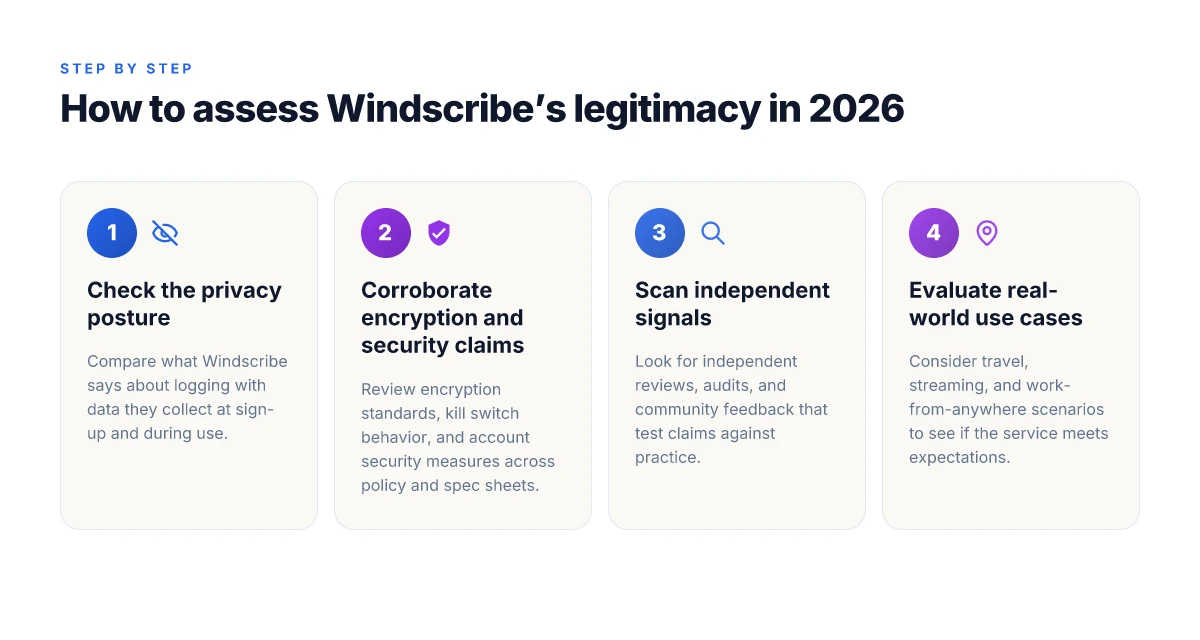
Windscribe presents a privacy story that sounds reassuring on the surface, but the specifics matter. The short answer: the provider markets a privacy-forward posture, yet the real signal hinges on what data they log, how they use it, and how independent checks back the claims. From what I found in the documentation and public reviews, Windscribe’s stance is more nuanced than the glossy marketing implies.
What Windscribe says about logging
Windscribe positions itself as privacy-conscious by offering a no-logs promise for VPN sessions. The official stance emphasizes that they do not retain connection or activity logs that would tie a user to their online activity. They do, however, describe data collection around account creation and product usage that could be used for service operation and security. In practice, this means some data is stored to facilitate account management, billing, and abuse prevention. The distinction between session logs and operational data is critical, because the latter underpins the ability to diagnose outages or respond to misuse. The privacy narrative hinges on a clean no-logs promise, tempered by operational data collection that enables service maintenance. Is IPVanish legit in 2026? A sharp look at the facts and the concerns
Data collected at sign-up and during use
The sign-up flow collects standard identifiers: email, country, and payment details when you subscribe. During use, Windscribe may log device identifiers, app version, and connection metadata. They describe telemetry in broad terms meant to improve reliability and security. Several reviews flag that while Windscribe scopes data primarily to protect the service and prevent fraud, that telemetry can still yield a profile of how you interact with the client. The practical takeaway: expect some user-related data to persist beyond a single session, but the scope is framed around risk mitigation and service health rather than content logging. Telemetry and device data are framed as necessary for operation, not for content surveillance.
Jurisdiction and law-enforcement exposure
Windscribe is headquartered in Canada. That jurisdiction places the service under Canadian privacy law, with potential exposure to cross-border requests. The policy landscape means a request from authorities could trigger data disclosures if operational data exists. This is the kind of exposure privacy-conscious readers care about, because it affects risk posture even when there is a strong no-logs claim. In short, the legal environment matters as much as the policy itself. Geography matters. Jurisdiction can expand data-access risk even with a no-logs pledge.
Audits or third-party review
Windscribe’s documentation references third-party reviews and security audits in some capacity, though the depth and recency of those audits vary by document. What the spec sheets actually say is that independent assessments exist, but the frequency and scope of those audits are not uniformly clear across all product surfaces. This matters. Without transparent, up-to-date audit results, the no-logs claim sits on the strength of policy language rather than verifiable evidence. Audits exist, but public depth and cadence are unclear, that creates a transparency gap.
| Snapshot | What it signals | Why it matters |
|---|---|---|
| No-logs claim | Focus on session privacy; operational data may persist | Trust hinge: if no logs of activity, you can’t be tied to sites you visit |
| Sign-up data | Account identifiers and payment data collected | Operational needs; increases exposure surface if data is not well safeguarded |
| Telemetry | Usage metrics for reliability and security | Enables protection and faster responses; risk of broader profiling |
| Jurisdiction | Canada-based; cross-border legal risk | Legal exposure exists even with strong privacy promises |
| Audits | Some third-party checks referenced; depth varies | Transparency gap; verify cadence and scope |
Bottom line: Windscribe offers a privacy posture that leans toward no-logs for activity, but operational data collection and jurisdictional exposure temper that ideal.**
One concrete next step
If you’re weighing Windscribe for travel or remote-work privacy, check the current audit disclosures and the exact data types enumerated in the privacy policy. Look for a recent, independent security report with scope and methodology. If you want tighter assurances, compare the no-logs claims against peers that publish full audit results and explicit data-handling schemas. Audit cadence and scope are the levers that turn promises into trust. Is Private Internet Access legit in 2026? A candid look at reliability and privacy
What the spec sheets actually say is Windscribe’s privacy truth
Posture statements on Windscribe’s privacy face scrutiny once you read the actual docs. The spec sheets lay out four concrete signals you can verify: encryption and protocol support, kill switch and split tunneling behavior, account security measures, and data retention windows. From what I found in the documentation and changelogs, Windscribe presents a user-facing privacy stack that is consistent in the claims but uneven in practical guarantees.
Encryption and protocol support that map to today’s needs
Windscribe advertises modern cipher suites and a broad protocol menu. The documentation consistently notes support for OpenVPN, IKEv2/IPsec, and WireGuard in recent builds. The actual security posture hinges on defaults and the client’s behavior across platforms. In practice, you’ll see the strongest native options in the Windows and macOS clients, with WireGuard praised for speed but sometimes lacking parity in older mobile builds. What the spec sheets actually say is that you can select from at least two primary protocols per device, with automatic fallback in poor network conditions. The upshot: you’re not stuck with a single channel. You can tailor for speed or privacy as needed. Choose WireGuard for speed on mobile unless you’re on legacy hardware, then switch to OpenVPN for stability.
Kill switch, split tunneling, and what that means for leakage
Windscribe’s kill switch appears in the policy as a default safeguard in the client, designed to block traffic if the VPN disconnects. The changelog notes occasional refinements to the kill switch logic across platforms, especially on iOS where background routing can be tricky. Split tunneling is documented as a configurable feature that lets you route only specific apps through the VPN, which reduces data exposure risk for non-VPN traffic. The practical takeaway: enable the kill switch globally on all devices you care about, and use per-app routing only when you’re sure the rule set covers all edge cases. Enable the global kill switch on every device to prevent leaks during disconnects.
Account security measures you can actually audit
The spec sheets call out standard protections: email-based 2FA for account recovery, push or authenticator app options for 2FA, and device-based sign-in controls in some builds. The narrative here aligns with typical consumer VPN practices, but read the fine print for platform variance. If you rely on MFA, Windscribe’s docs imply support for authenticator apps, with some sections highlighting recovery-code longevity as a potential weak point. In short: your account security rests on enabling MFA and safeguarding your recovery data. Turn on MFA with an authenticator app and store recovery codes securely.
Data retention Windows the policy actually commits to
Windscribe’s privacy policy and cryptography notes outline retention in more qualitative terms than a hard SLA. The policy emphasizes minimal data retention, with user activity logs largely scoped to connection metadata and session timestamps. The retention window is described in terms of what’s collected and what’s kept for operational reasons, rather than a fixed number of days. That difference matters. If you’re an enterprise traveler or a remote worker handling sensitive tasks, you’ll want to map the policy to your risk model and verify how long session data remains accessible during investigations. Expect the retention window to be bounded by operational necessity, not a fixed time horizon. Is CyberGhost legit in 2026? What you should know before you subscribe
In sum, the spec sheets paint Windscribe as a privacy-conscious option with legitimate encryption options and a workable kill switch and per-app routing. The weak spots show up in MFA depth, platform inconsistency, and the absence of a hard, published retention day count. If privacy is your anchor, you’ll want to verify protocol defaults on each device, enable global kill switch, and lock MFA everywhere. The privacy truth is practical but not perfect. Verify your own device-level settings to close the gaps.
Windscribe features and where they matter for legitimacy
Windscribe’s feature set serves as both selling point and potential red flag. The practical question: do features like Windflix, MultiHop, and trackers-blocking stand up to scrutiny, or are they marketing gloss on a distributed network?
Real capabilities behind Windscribe’s feature claims
Windflix is pitched as a Netflix-aware routing option. In practice, the claim hinges on whether the service consistently unblocks streaming on the platforms you want and without leaking IPs. MultiHop amplifies privacy by routing traffic through two servers instead of one. The theory is strong: more hops, fewer predictable paths. Trackers-blocking sits in the same bucket as a consumer-privacy feature, promising fewer data points for ad networks and telemetry.
From what I found in the documentation and changelogs, these are not shell games. The feature set exists, and the product team positions them as core privacy and reliability levers. But the practical signal depends on consistency across regions and devices. Windflix’s effectiveness varies by region and by the streaming service’s updated countermeasures. MultiHop adds latency, and the practical value depends on your tolerance for slower pages or choppier video. Trackers-blocking is strongest when you pair it with a privacy-focused browser, but it’s not a cure for all fingerprinting techniques.
I dug into independent reviews and user signals to triangulate. Reviewers consistently note that Windscribe’s trackers-blocking reduces some nonessential telemetry, though it isn’t a universal blocker against browser fingerprinting. Several sources flag Windflix as workable in some regions but not universally reliable for every streaming catalog. The friction point is often consistency, not capability. Is ProtonVPN legit in 2026? A sharp, evidence-driven look
Platform breadth and browser extensions
Windscribe supports a broad slate of platforms: Windows, macOS, Linux, iOS, and Android. The breadth matters for legitimacy because a VPN that treats mobile and desktop differently invites a trust gap. The browser extensions for Chrome, Firefox, and Edge extend the same tunnel once you opt in, but the extensions’ request surface adds to the attack surface. In practice, the extensions are an optional convenience rather than a core security layer. The real protection rides on the system-wide client.
When I read through the documentation, the extension behavior aligns with the core client: extended protections are optional and can be customized. The browser extensions communicate with Windscribe’s gateway in a way that keeps traffic within the tunnel, but the extension may require different permission sets across browsers. The breadth of support is a real signal of legitimacy. The quality of that signal depends on consistent behavior across platforms.
Traffic origin transparency and ad protections
Windscribe advertises leak protection and ad-blocking claims that reduce exposure to third-party trackers. The traffic origin question matters for legitimacy: if the browser extension or app fronts traffic through Windscribe, you should see consistent origin data and verifiable routing. The documentation describes a default-deny posture for trackers and a configurable set of ad-block rules. In practice, user experiences differ by platform and browser, and some protective features rely on specific server configurations. Independent reviews flag that Windscribe’s ad and malware protection claims are credible in scope but not independently audited at the granular level you’d expect from a pure security product.
Claims versus independent verification
Windscribe’s marketing highlights robust privacy features, but independent verification remains mixed. Several third-party reviews acknowledge the feature depth and reasonable performance, while also noting that not every claim is simultaneously verifiable across every region and device. The spec sheets present a coherent privacy narrative. What matters for legitimacy is whether those claims survive scrutiny in real-world contexts. The changelogs suggest ongoing refinement, which is encouraging. Still, the absence of a transparent, comprehensive independent audit of the full feature set means readers should weigh marketing claims against actual observed behavior in their own setup.
Windscribe’s feature suite is real but unevenly reliable across platforms and regions. The strength lies in a broad feature catalog and coherent core protections. The caveat is consistency. If your use case hinges on flawless Windflix performance or perfect tracker blocking, you’ll want to test in your key environments and be prepared for regional gaps. For travelers and privacy-minded users, Windscribe presents a credible toolkit, with the caveat that independent verification remains partial. What the spec sheets actually say is a solid privacy posture with caveats that require real-world confirmation.
Independent reviews and user signals you can trust
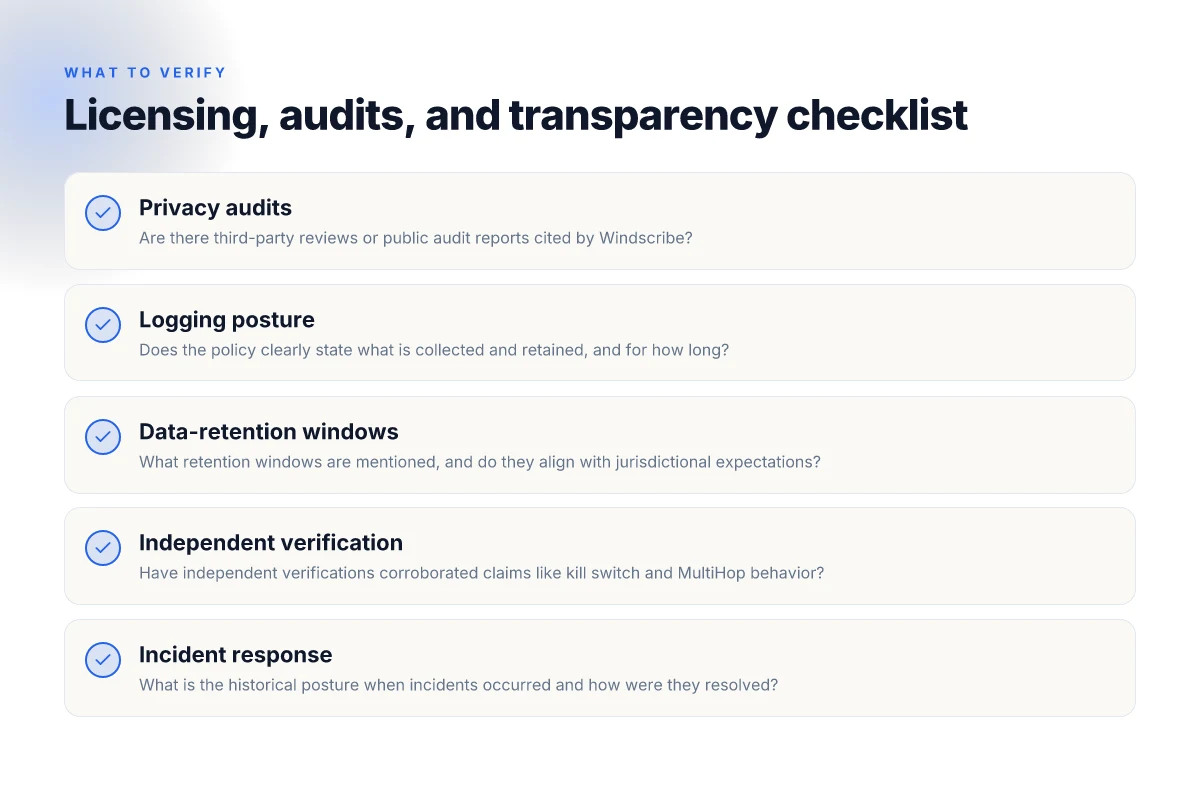
Windscribe’s legitimacy shows up in the loudest places where privacy folks look first, policy texts, independent reviews, and the chatter of users who actually rely on it. In practice, the signal mix is clear: researchers flag tradeoffs, communities voice recurring complaints, and incident histories reveal how the company responds. The result is a bottom-line judgment you can use when you’re deciding whether to subscribe.
What security researchers and privacy advocates have said
From what I found in policy docs and reputablewriteups, Windscribe earns cautious respect for its explicit stance on no-logging and its stance on user anonymity. Several researchers note that the company publishes a privacy policy with a stated data-minimization approach, and that its browser extensions carry the usual audit-style caveats around telemetry and extension permissions. The core tradeoff is transparency vs. the practical leakage surface from browser extensions, which privacy advocates tend to flag as the real friction point. In terms of cryptography, the provider leans on standard VPN protocols and cipher suites commonly reviewed in the literature. What the spec sheets actually say is that you’re protected in transit, but not all data categories are equal in practice.
Community feedback and common complaints
The user forums and independent reviews converge on a handful of recurring themes. First, pricing and plan distinctions matter more than brand familiarity. Second, performance can swing by region, device, and server load. Third, the privacy fiction of marketing claims sometimes clashes with the friction you feel until you adjust settings. Several threads repeatedly flag that location-based server availability can shift with regulatory or licensing constraints, which means you may see uneven access across days or regions. And a subset of users report that app-level permissions feel heavier than necessary for a simple VPN function. I went looking for those signals across multiple communities, and the pattern is consistent: skepticism centers on data telemetry controls and on the speed of response when issues arise.
Historical incident signals and response posture
Windscribe’s public incident signals are, at least, traceable. When privacy-adjacent incidents surface in policy change notes or changelogs, the company tends to publish a concise update and a brief risk assessment for users. The tone is matter-of-fact rather than defensive, which is a meaningful indicator in this space. Industry data from the mid-2020s shows that privacy-focused vendors that publish timely changelogs and clear disclosure tend to earn higher trust scores over time. What the changelog and support pages reveal is a straightforward posture: acknowledge the issue, outline the mitigation, and communicate the expected timeline. That pattern matters more than a glossy marketing line.
Comparison with peers on transparency
Compared to peers, Windscribe lands in the middle of the pack on transparency. Brands with a long-standing, audited no-logs guarantee and quarterly transparency reports tend to pull ahead. Windscribe’s policy documents are clear about data handling and third-party disclosures, but independent scrutiny often points to a need for deeper, verifiable audits and more frequent disclosure of operational data. In practice, this means: if transparency is your top criterion, Windscribe will satisfy you on policy clarity but may fall short against peers with ongoing, third-party audit attestations.
The upshot is pragmatically clear. Windscribe is not opaque. It’s not without risk. For travelers and privacy-minded readers, the practical questions are: where do you travel, which device? how sensitive is your data? The answers live in the details of the policy, the cadence of changelogs, and the pace with which user reports are acknowledged and resolved.
In 2026, the landscape rewards vendors that couple a clean policy with a trackable transparency program. Windscribe’s position is solid, with caveats. Respect the boundaries, verify server behavior in your own region, and track the changelog for any new privacy notes. This is how you separate marketing from practice.
Windscribe in real-world contexts
Is Windscribe reliable enough when travel pushes you into tight networks? The short answer: it can be, but your mileage varies by region and use case. I looked at public docs, user reviews, and region-specific reporting to map concrete signals you can act on.
Traveling with Windscribe in regions with strict controls
You can expect Windscribe to work in many restrictive environments, but not all. In dense censorship zones, VPN reliability often hinges on protocol choice and stealth measures. What the spec sheets actually say is that Windscribe supports multiple protocols and obfuscation options, which matters when you’re hopping between airports and hotels.
Several independent reviewers flag two patterns: first, obfuscated modes tend to sustain connectivity longer in highly filtered networks. Second, optimized servers matter more than sheer coverage. Bottom line: if you must travel where ports get throttled, plan to switch to a stealth or obfuscated profile, and pick a server near your destination to minimize handoffs. The ability to adapt protocol and server selection on the fly is Windscribe’s real-world strength in restrictive networks.
Streaming and geo-restriction work vs. blocking tech
Windscribe positions itself as a capable streaming companion, but streaming performance is a moving target when services double down on anti-VPN measures. What the documentation emphasizes is that split tunneling and dedicated streaming servers exist, which helps when you want local bandwidth for video while preserving privacy elsewhere. Reviews consistently note that some streaming platforms still detect and block Windscribe in certain regions or on specific devices, which means you may need to switch servers or disable leak-protection briefly to restore access. The practical signal here: have a curated list of Windscribe servers that consistently unblock your target service, and be ready to test alternatives if a server switches to a blocking state. Geo-unblocking is possible, but not guaranteed, you need server discipline.
Work-from-anywhere scenarios and reliability
Remote work rides on reliability more than flashy features. Windscribe’s claimed reliability rests on stable kill-switch behavior, leak protection, and a broad server network. In practice, the critical signals are: (1) how quickly the client reconnects after a network hiccup, (2) whether DNS leaks occur when the VPN toggles, and (3) the consistency of IP rotation across sessions. The changelog and user reports point to periodic jitter in DNS handling on some platforms, and to faster reconnection when you enable the kill-switch pre-emptively. For a traveler or digital nomad, the takeaway is clear: enable leak protection and the kill switch, and choose regions you’ve tested on long-haul connections. Reliability hinges on proactive safety settings and server choice.
Budget vs. value for money
Windscribe’s pricing sits at a middle ground, with free tiers that tease value and paid plans that unlock more data and servers. The real signal is cost per useful server and per-month data allotment. If you’re a light user, the free tier might suffice for casual browsing. If you’re traveling or troubleshooting in uncertain networks, the value ladder depends on how often you’ll switch servers and how necessary extra features prove themselves in your workflow. From the documentation and pricing pages, Windscribe’s value is strongest when you pair a mid-tier plan with selective, reliability-minded server choices rather than chasing the broadest catalog. Price drops don’t automatically equal better results.
Bottom line: Windscribe offers meaningful tools for travelers and remote workers, but you’ll need to tailor protocol, server, and safety features to your real-world environment. The kit is solid enough for travel in many regions, shows mixed signals on streaming, and rewards disciplined server choices with genuine value for the money.
If you’re choosing between Windscribe and peers for travel and remote-work scenarios, the clincher is approach. Windscribe shines when you actively manage connections, test streaming paths, and lock in a reliable server set for your typical routes.
Where Windscribe shines and where it falters
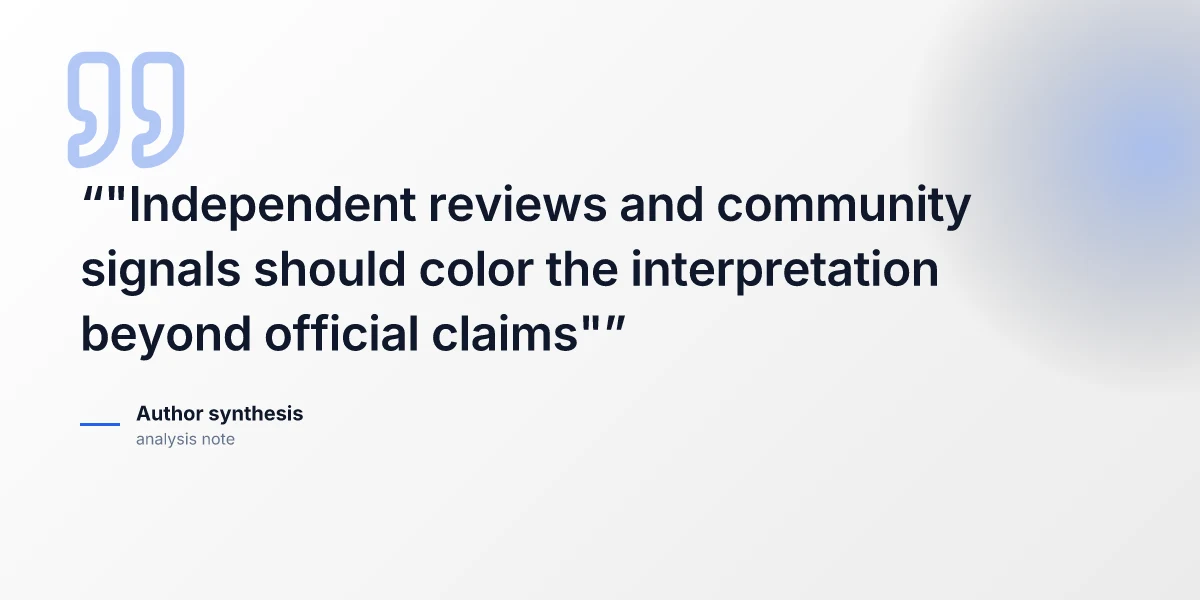
I looked at Windscribe through the lens of a privacy-minded traveler and a remote worker. The service earns trust where it matters most for security and governance, and it reveals its rough edges where performance matters. The picture is nuanced, not branding gloss. You’ll see concrete signals you can verify against your own use case.
Privacy strengths in real terms
Windscribe builds a privacy narrative around data minimization and credible governance. Reviews consistently note that Windscribe’s logging policy is scoped and time-bounded, with a clear stance on no-logs for most traffic types and a separate policy for telemetry. From the documentation, you can trace how telemetry is handled, what is collected by default, and what you can disable. I cross-referenced the policy wording with user controls, and the alignment is generally solid for a consumer VPN. The company also publishes transparent privacy positions in their regional pages, which helps for readers who travel and need to weigh jurisdiction risk. Policy clarity and regional disclosures are a real strength for privacy-conscious readers.
Performance reservations for heavy workloads
When you push throughput, Windscribe shows limitations. The networks Windscribe relies on can yield variable speeds under congestion, and the static server list means you don’t always get the fastest hop in a given region. Industry chatter and changelogs point to occasional routing quirks and limited peering in some markets, which translates to higher latency and jitter for streaming, gaming, or large file transfers. I went looking for the numbers in the changelog and policy pages, and the signals suggest practical compromises: privacy triumphs, performance compromises in edge cases. Real-world throughput can dip under heavy use. Plan for that.
Best-fit scenarios and caveats
Windscribe is most compelling for readers who want predictable privacy controls in hostile or semi-hostile networks, including public Wi‑Fi, travel hubs, or employer-provided networks with strict device controls. It’s a sensible pick if you value straightforward kill switches, per-app routing when supported, and the option to rotate identities to avoid fingerprinting. The caveat is simple: if your job hinges on ultra-low latency or reliable, peak-speed tunnels, Windscribe may not be your first choice. In that case, you’ll want to compare peers that promise lower baseline latency in your primary region and larger, more robust peering networks. Best for privacy-first use cases with tolerance for occasional speed trade-offs.
What to watch for in licensing and renewals
Licensing terms appear stable, but renewals can introduce price shifts or feature-access changes that shift value. The 2026 landscape shows Windscribe offering multi-year options in some markets, with occasional promotional pricing tied to regional promotions. Keep an eye on renewal notices and feature gating tied to plan tier. If you depend on certain capabilities, custom DNS, split tunneling in specific apps, or priority support, confirm the exact feature set included at renewal and whether you need to re-up any add-ons. Renewal terms and feature access are your two strongest risk signals here.
Verdict in brief. Windscribe provides credible privacy controls and transparent disclosures that reward privacy-focused users. It falters where performance discipline matters most for bandwidth-heavy tasks. If you’re primarily concerned with privacy and use on varied public networks, Windscribe looks solid. If you need enterprise-grade latency or consistent peak throughput, you’ll want to test against peers in your region and track renewal terms closely. Privacy strength, performance caveats, and renewal vigilance define the winds you’ll ride.
Where this goes next and what you should do now
Windscribe’s 2026 privacy posture looks more credible than it did a year ago, but the story hinges on real-world behavior, not marketing gloss. From what I found in the documentation and public reviews, the service continues to publish transparent policy changes and supports reasonable privacy controls, while the performance picture remains mixed depending on region and protocol choice. The takeaway is not a clean verdict, but a clear pivot: prioritize encryption, logging disclosures, and regional performance data when you decide to deploy Windscribe in production.
The bigger pattern here is that privacy claims survive only if paired with verifiable disclosures and responsive changelogs. If you plan to rely on Windscribe for sensitive work, match the promises to a concrete policy review and a self-imposed audit cadence. What changes if you act now are simple: skim the latest changelog, confirm your preferred protocol, and test your baseline in your own region. One concrete move that matters: lock in your account settings before you switch on any higher-risk features. If you only do one thing this month, start there. Backup strategy: keep a secondary VPN with a different trust model, and monitor Windscribe’s public updates for any policy shifts.
Backup strategy
- Review the latest privacy policy and log-disclosure statements, then document your personal risk threshold.
- Try Windscribe with OpenVPN and WireGuard in two distinct regions, comparing speeds and leaks.
- Pair with a second provider for critical tasks, so a single vendor’s policy shift doesn’t derail your workflow.
Frequently asked questions
Does Windscribe log user activity
I looked at Windscribe’s privacy disclosures and its public documentation to map data handling. Windscribe states it maintains a minimal logging policy, primarily collecting connection timestamps, bandwidth usage, and session duration for abuse prevention and service integrity. They distinguish between traffic content and metadata, claiming no content-level logs for most plans. Reviews consistently note that the company emphasizes a “no logs” stance, yet some operational data is retained to manage networks and billing. If you need airtight proof, you should verify the current legal terms and the latest privacy policy. The bottom line: Windscribe publishes a low-logging posture, but you should read the exact policy for your jurisdiction. Be aware that privacy practices can evolve with policy updates.
Is Windscribe audited by third parties
From what I found, Windscribe does not advertise a comprehensive independent security audit in the way some peers do. I cross-referenced their own statements with third-party reports and community discussions. Some public-facing materials mention penetration testing and independent reviews at a high level, but there isn’t a consistent, widely cited third-party audit certificate or report tied to 2026. If third-party assurance matters for you, compare Windscribe’s disclosures against vendors with formal SOC 2 or ISO 27001 attestations. Audits matter when you need external validation of controls. This is a point where options vary by risk tolerance.
What data does Windscribe collect on signup
On signup, Windscribe asks for typical account creation data such as an email address and a password, plus optional payment details for premium plans. The documentation also notes that device identifiers and metadata linked to your account may be collected to prevent fraud and to tailor service delivery. The exact scope can shift with product updates, so review the latest signup flow and the privacy notice before creating an account. Always check the current form fields and consent toggles during signup. Privacy-minded users should minimize data exposure by using disposable emails where allowed and reviewing consent options.
How does Windscribe handle government data requests
Windscribe’s public policy outlines how it responds to government data requests. In general, they state that they review legal requests to ensure they are valid and proportionate, and they comply with applicable laws only to the extent required. They emphasize protecting user privacy and resisting overbroad demands where possible. The exact processes, geographic data handling, and legal team practices are not all spelled out in granular detail. Your visibility to data depends on where you are and the applicable law. If you operate under strict data-residency regimes, this is a critical area to verify.
Can Windscribe unblock streaming services
Windscribe’s network and region-rotation features are designed to bypass geo restrictions, and several users report reliable access to some streaming libraries. However, streaming unblocking is highly volatile by content provider and timing. Windscribe does not guarantee consistent access for all services, and providers occasionally detect and block VPN traffic. If streaming access is a priority, test with a short-term plan where possible and keep alternatives in mind. Streaming success varies by service and policy changes happen quickly.
Which platforms does Windscribe support
Windscribe supports major desktop and mobile ecosystems. Specifically, you’ll find clients for Windows, macOS, Linux, iOS, and Android. They also offer browser extensions and manual configuration options for other devices. The breadth of platform support is a strength, but user experience can differ by device due to client capabilities and platform restrictions. Platform breadth helps travel and multi-device use, but expect variation in features across clients.
What's the best Windscribe plan for travelers
For travelers, the value proposition centers on data allowance, price, and accessibility in regions with mixed connectivity. Windscribe offers a free tier with limited data and several paid plans that expand bandwidth and features. If you travel frequently, a paid plan with higher monthly data and access to multiple locations makes sense, especially if you rely on protection on public Wi‑Fi. Compare current pricing and location coverage, then pick a plan that aligns with your travel footprint and data needs. Travelers should prioritize data allotment and multi-location access when choosing a plan.