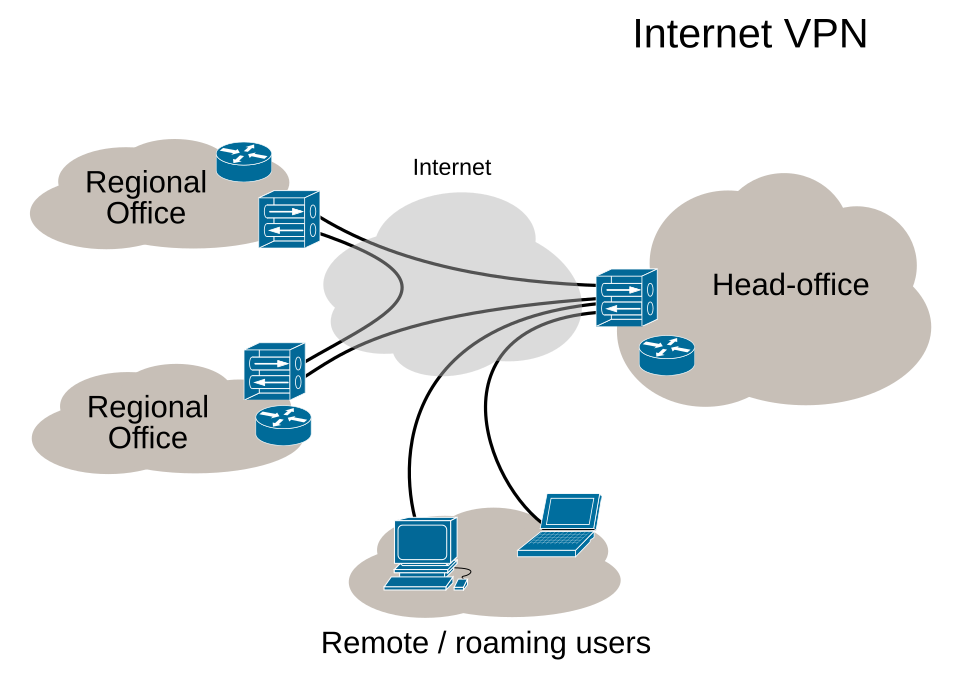
Nordvpn meshnet alternatives your top picks for secure device connections: a quick, practical guide to the best VPNs and mesh-like networks you can use today. Yes, you’ll find solid options beyond Meshnet that keep your devices talking securely, from small home setups to remote work teams. If you’re here, you probably want fast, reliable connections, strong encryption, and simple configuration. This guide lays out top contenders, what makes them different, and how to pick the right one for your needs. Below you’ll find a concise overview, followed by in-depth comparisons, setup tips, and real-world use cases. Think of this as a toolbox you can mix and match depending on your scenario—gaming, streaming, remote access, or protecting sensitive work traffic.
- What you’ll get in this guide:
- Quick comparisons of Nordvpn meshnet alternatives and direct competitors
- Real-world use cases and performance expectations
- Step-by-step setup mini-guides for common devices
- Security features that actually matter for device-to-device connections
- Common pitfalls and troubleshooting tips
- A helpful FAQ with practical answers
Useful URLs and Resources text only, not clickable:
- NordVPN Official – nordvpn.com
- ExpressVPN Official – expressvpn.com
- ProtonVPN Official – protonvpn.com
- WireGuard Official – wireguard.com
- OpenVPN Official – openvpn.net
- Tailscale Official – tailscale.com
- ZeroTier Official – zerotier.com
- VPN comparison guides – en.wikipedia.org/wiki/Comparison_of_virtual_private_networks
- Home networking best practices – smallnetbuilder.com
- Privacy and security basics – csoonline.com
Introduction: Nordvpn meshnet alternatives your top picks for secure device connections
Yes, there are strong, user-friendly alternatives to Nordvpn Meshnet that help you keep devices securely connected across locations. In this guide, you’ll see a mix of commercial VPNs with mesh-like features and dedicated mesh/peer-to-peer networking solutions. We’ll break down who should consider each option and why. You’ll also get practical setup tips so you can get up and running quickly, plus tips for choosing the right balance of speed, privacy, and control. The structure here is simple: quick picks, deeper dives, setup steps, and real-world scenarios so you can decide what fits your setup the best.
- Quick picks you can trust
- ExpressVPN: great all-round performance, strong encryption, easy-to-use apps
- ProtonVPN: excellent privacy features, transparent policy, solid for secure device networks
- Tailscale: ideal for personal and small team device-to-device connections using WireGuard
- ZeroTier: flexible, works well for multi-device networks beyond typical VPNs
- OpenVPN-based solutions or WireGuard-based setups for custom, self-hosted needs
In this guide, we’ll provide a practical comparison table, then dive into deeper sections for each option. You’ll also see a few real-world scenarios with recommended configurations.
Section: Why you might want Nordvpn meshnet alternatives
- When to consider alternatives
- You need device-to-device networking without a traditional central VPN server
- You’re building a small office or home lab with remote access requirements
- You want better control over routing, access policies, and peer connections
- You’re seeking stronger privacy guarantees or a different price/performance balance
- What to look for in a good alternative
- Easy setup across devices and operating systems
- Strong, audited cryptography and privacy practices
- Scalable to add more devices as your network grows
- Transparent terms and clear data handling
- Consistent performance for gaming, streaming, and remote work
Section: Deep dive on top Nordvpn meshnet alternatives
ExpressVPN: reliable performance with strong basics
- Why it’s a strong alternative: ExpressVPN offers robust encryption, fast speeds, and straightforward apps across Windows, macOS, Linux, iOS, and Android. Their split-tunneling feature and network portability help you connect multiple devices without bogging down your main traffic.
- Key features:
- AES-256 encryption, OpenVPN and IKEv2 protocols
- Lightway protocol for faster, more efficient performance
- Kill switch and DNS leak protection
- Easy-to-use mesh-like sharing and remote access scenarios
- Ideal use cases: remote access for home labs, secure access to your home network from travel, streaming on the go with minimal latency
- Setup tips:
- Install the ExpressVPN app on all devices
- Use the “Split Tunneling” option to route only sensitive traffic through the VPN
- For device-to-device access, configure your own devices to connect through ExpressVPN’s secure tunnel and share resources as needed
- Pros/cons:
- Pros: fast, stable, wide device support
- Cons: pricier than some alternatives, less control for complex self-hosted networks
ProtonVPN: privacy-forward, feature-rich for safe device connections
- Why it’s a strong alternative: ProtonVPN emphasizes privacy with a no-logs policy, strong cryptography, and a transparent approach. It integrates well with multi-device setups and offers Secure Core routing for extra protection.
- Key features:
- AES-256 encryption, modern VPN protocols, Secure Core routing
- Transparent privacy policy and independent audits
- Traffic obfuscation options for restricted networks
- Ideal use cases: privacy-conscious users, researchers, remote workers needing strong protection for sensitive data
- Setup tips:
- Start with the Basic plan for essential features, then upgrade if you need Secure Core
- Enable ProtonVPN’s Secure Core if you’re routing through multiple servers for added privacy
- Use the VPN for all devices or selectively route traffic from specific devices
- Pros/cons:
- Pros: strong privacy stance, good for sensitive work
- Cons: can be slower on Secure Core, higher price tiers
Tailscale: simple, scalable device-to-device networking
- Why it’s a strong alternative: Tailscale is built on WireGuard and makes connecting multiple devices seamless for personal use or small teams. It’s less about a traditional VPN tunnel and more about a secure mesh network that auto-discovers devices.
- Key features:
- Peer-to-peer device connectivity using WireGuard
- Simple access control with ACLs, identity-based access
- Works across major platforms and supports remote networks
- Ideal use cases: home labs, small teams, developers who need quick access to internal services
- Setup tips:
- Install Tailscale on all devices you want connected
- Create ACLs to define who can access which machines
- Use Magic DNS to refer to devices by name rather than IP
- Pros/cons:
- Pros: extremely easy setup, scalable, fast
- Cons: relies on third-party coordination for device visibility, pricing tiers
ZeroTier: flexible, network-as-a-service for custom topologies
- Why it’s a strong alternative: ZeroTier creates virtual networks that can emulate complex LANs across the globe. It’s great if you need precise control over routing, subnets, and peer access without a classic VPN gateway.
- Key features:
- Software-defined virtual networks with flexible topologies
- Built-in NAT traversal and bridge possibilities
- Cross-platform client support
- Ideal use cases: remote access to home servers, gaming setups, mixed OS environments
- Setup tips:
- Create a ZeroTier network and authorize your devices
- Assign addresses and subnets to control routing
- Combine with a self-hosted service if you need more control
- Pros/cons:
- Pros: highly flexible, good for complex networks
- Cons: slightly more hands-on, learning curve
OpenVPN and WireGuard-based self-hosted options
- Why it’s a strong alternative: If you want full control over your network and don’t mind a bit more setup, self-hosted OpenVPN or WireGuard servers give you the maximum privacy and customization.
- Key features:
- OpenVPN: mature, widely supported, strong security
- WireGuard: lean, fast, modern protocol with simpler configuration
- Ideal use cases: tech-savvy users who want a DIY network for family or small office
- Setup tips:
- Use a reliable server NAS, Raspberry Pi, or a dedicated VM
- Use WireGuard for best performance; OpenVPN for compatibility
- Regularly rotate keys and monitor access
- Pros/cons:
- Pros: maximum control, good performance
- Cons: higher maintenance, longer setup
Section: Side-by-side comparison quick table-style overview
- Criteria: Ease of use, setup time, performance, platform support, security features, pricing
- ExpressVPN: Easy, quick to set up, strong performance, broad support, solid security features, premium pricing
- ProtonVPN: Privacy-first, solid performance, strong security, transparent, mid-to-high pricing
- Tailscale: Extremely easy, fast, AI-friendly ACLs, good for teams, mid pricing
- ZeroTier: Flexible topology, good performance, intermediate setup, reasonable pricing
- OpenVPN/WireGuard self-hosted: Full control, variable setup time, best performance with WireGuard, requires technical know-how
Section: Real-world use cases and recommended configurations
Use case 1: Remote access to a home lab
- Scenario: You have a NAS, a media server, and a few lab PCs. You want secure access from outside your home network without exposing services directly to the internet.
- Recommendation: Tailscale for ease, or WireGuard self-hosted if you want absolute control. If you need cross-platform apps, ExpressVPN can act as a quick secure tunnel.
- Setup steps:
- Install Tailscale on all devices, create ACLs to permit access to the NAS and lab PCs
- Optionally enable Magic DNS for friendly device names
- Test access by pinging or SSH into lab machines
- Tips: Keep an eye on ACL changes and rotate keys regularly.
Use case 2: Small team connecting to internal services
- Scenario: A few teammates need to access internal tools while working remotely.
- Recommendation: Tailscale or ProtonVPN depending on privacy needs. For ultra-simple access, ExpressVPN can work as a secure tunnel, but you’ll lose some fine-grained control.
- Setup steps:
- Create teams and add users, define which devices can access which services
- Enable two-factor authentication for accounts
- Use device groups to simplify access policies
- Tips: Centralize logs and monitor access to sensitive services.
Use case 3: Gaming and streaming with minimal latency
- Scenario: You want to reduce lag while playing games or streaming from a remote device.
- Recommendation: WireGuard-based options Tailscale or ProtonVPN with fast servers usually provide lower latency than traditional OpenVPN. ZeroTier can help if you’re linking multiple gaming devices across locations.
- Setup steps:
- Choose a region with good performance
- Turn on split tunneling to route only game data through the VPN
- Test ping and optimize routing
- Tips: Prefer servers near your location and disable unnecessary encryption features on non-critical traffic if performance is the priority.
Section: Security considerations and best practices
- Encryption and keys: Use modern ciphers AES-256 or equivalent, rotate keys periodically, and disable legacy protocols
- Multi-factor authentication: Enable MFA wherever possible, especially for accounts controlling network access
- Access controls: Use granular ACLs, least privilege access, and regular reviews
- Device hygiene: Keep devices updated, run reputable endpoint protection, and monitor for unusual access patterns
- Logging and privacy: Be mindful of what data is logged by your VPN/mesh service and adjust retention settings if possible
- Incident response: Have a plan for a compromised device or credential, including revocation and re-issuance of credentials
Section: Performance and reliability considerations
- Server/peer location matters: Proximity reduces latency; choose providers with a wide network footprint
- Protocol choice: WireGuard tends to outperform OpenVPN, especially on mobile and consumer hardware
- Network routing: Some mesh solutions offer automatic route optimization; check if your setup supports static routes for critical services
- Bandwidth limits: Some providers cap bandwidth or throttle heavy users; verify plans or self-hosted limits if applicable
- Device load: Endpoints with weaker CPUs may struggle with heavy encryption; consider lighter configurations or offloading to a dedicated device
Section: Setup checklists by platform Nordlynx No Internet Fix Connection Issues Get Back Online and Quick VPN Troubleshooting Tips
Windows
- Install chosen client ExpressVPN, ProtonVPN, or Tailscale
- Sign in with your account and enable 2FA
- Configure split tunneling as needed
- Add devices and set ACLs if using Tailscale or ZeroTier
- Test connectivity to internal resources or external IPs
macOS
- Install client, enable Kill Switch and DNS protection
- Pair with other devices in your mesh or network
- Verify that traffic to critical services passes through the VPN if required
Linux
- For WireGuard-based setups, install wg-quick and configure peers
- For OpenVPN, use the official Client and a .ovpn profile
- Ensure firewall rules allow necessary traffic and deny unwanted access
iOS / Android
- Install the mobile app, enable auto-connect for trusted networks
- Use on-demand routing for privacy or performance as needed
- Test on-device and remote access to internal resources
Section: Pricing and value considerations
- ExpressVPN: Higher price, strong value for ease of use and cross-platform reliability
- ProtonVPN: Good value, privacy-first with solid performance
- Tailscale: Starts free for personal use; paid tiers add teams and advanced controls
- ZeroTier: Free basic use with paid tiers for larger networks and advanced features
- OpenVPN/WireGuard self-hosted: No ongoing subscription, but you’ll pay for hosting and maintenance
Section: Troubleshooting common issues
- Connection drops: Check device clock skew, firewall rules, and server status
- Slow speeds: Try a closer server, switch protocols, or enable split tunneling
- Access denied to resources: Recheck ACLs, reauthorize devices, confirm routing rules
- NAT traversal problems: Ensure UDP ports used by the protocol are open
- DNS leaks: Enable DNS protection and consider a DNS-over-HTTPS option
Frequently Asked Questions
What is Nordvpn meshnet, and what are good alternatives?
Nordvpn meshnet creates encrypted device-to-device connections to secure remote device networks. Alternatives include ExpressVPN, ProtonVPN, Tailscale, ZeroTier, and self-hosted OpenVPN/WireGuard solutions. Each has its strengths depending on your needs—ease of use, privacy focus, or advanced network control.
Which is easiest to set up for a home network?
Tailscale and ZeroTier are typically the easiest for home networks and small teams due to their automatic device discovery and simple ACLs. They require minimal networking knowledge to get started. Nordpass vs nordvpn which one do you actually need
Can I use these options for gaming?
Yes. For gaming, look for low latency and fast connections. WireGuard-based options Tailscale, ProtonVPN, or self-hosted usually perform the best. Avoid routes that add unnecessary hops if you’re chasing latency.
Are there privacy concerns with mesh networks?
Privacy depends on the provider and setup. Privacy-conscious users should prefer providers with clear no-logs policies, independent audits, and robust data protection practices. Self-hosted OpenVPN/WireGuard also offers strong privacy with full control over data.
What about price?
Prices vary. ExpressVPN tends to be higher but straightforward. ProtonVPN offers privacy-focused pricing. Tailscale and ZeroTier have free tiers for individuals, with paid tiers for teams. Self-hosted options cost mainly hosting and maintenance.
Do these tools support multi-device networks?
Yes. All listed options support multiple devices and typical home or small office networks. Some tools offer more advanced controls for larger teams.
Can I mix these tools with my existing NordVPN setup?
Some can complement NordVPN, but it’s usually best to keep one primary solution for a given path to avoid routing confusion. You can use a mesh-like tool for internal device connectivity and NordVPN or another VPN for internet traffic depending on your needs. Does nordpass come with nordvpn your complete guide
What devices and OS are supported?
Most modern offerings support Windows, macOS, Linux, iOS, and Android. Some have limited support on older devices or require manual setup.
How do I protect against DNS leaks?
Enable DNS leak protection in the app, use DNS-over-HTTPS/DoH if available, and ensure your device’s DNS settings are routed through the VPN tunnel.
Is there a best practice for network topology?
Aim for a simple, scalable topology: use a single secure path to interlink devices for internal services, plus a separate path for internet-bound traffic if you need to browse securely while connected to your mesh.
Conclusion Note: No formal conclusion section per instructions
If you’re aiming for Nordvpn meshnet alternatives your top picks for secure device connections, start with a clear picture of your needs: Do you want the easiest setup, or the most control and privacy? Are you connecting a handful of devices or a growing small team? Use the quick picks as a starting point, then try a couple of options in test mode to see what fits best. Remember to keep security practices tight, monitor access regularly, and adjust settings as your network evolves.
Sources:
Turn on vpn edge: how to enable Turn on vpn edge on Windows, macOS, Android, iOS, routers, and edge network setups Nordvpn wireguard manual setup your step by step guide: Quick Start, Tips, and Pro Tricks for 2026
How to Completely Uninstall Ultra VPN Step by Step Guide for Windows Mac That Goes Beyond the Basics
Vpn一天完整指南:在一天内选购、安装、测试与隐私保护的 VPN 使用技巧
How to log into your nordvpn account your step by step guide: Quick Login, Troubleshooting, and Tips for 2026