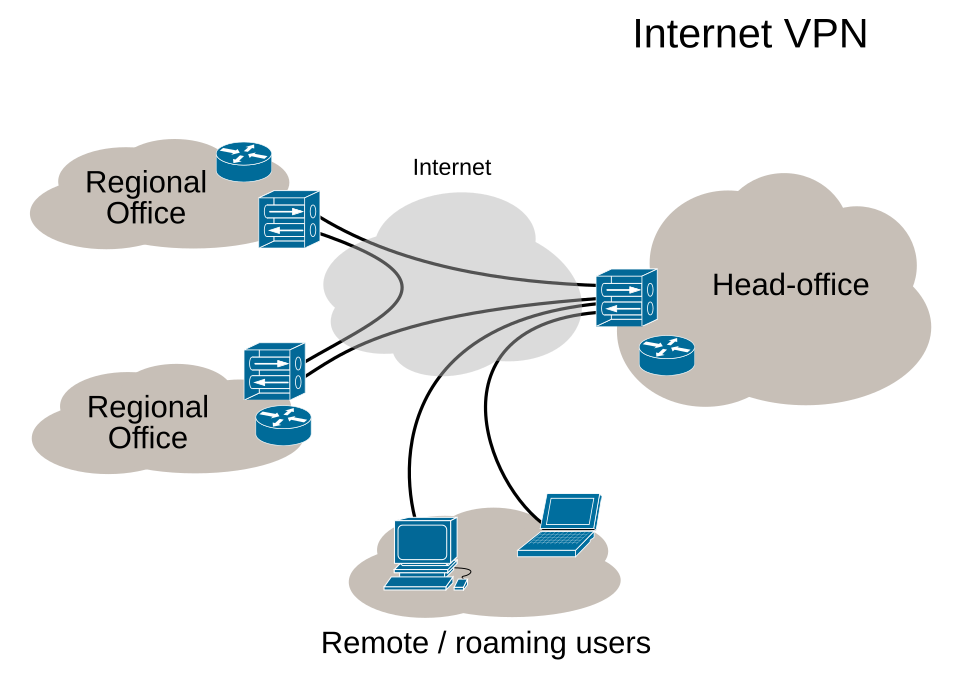
Yes, you can secure your home or small business network like a pro by pairing UDM Pro with NordVPN. This guide walks you through a step-by-step setup, best practices, troubleshooting tips, and actionable strategies to harden your network without nerd-level complexity. Below, you’ll find a concise, user-friendly roadmap, plus checklists, visuals, and practical examples to keep your data safe every day. If you’re curious about the NordVPN deal I’ve seen work wonders for many setups, you can check it out here: NordVPN deal link—https://go.nordvpn.net/aff_c?offer_id=15&aff_id=132441&aff_sub=0401
Introduction: what you’ll learn
- Quick overview: how UDM Pro plus NordVPN can shield your devices, hide your IP, and reduce exposure to threats.
- Step-by-step setup: from unboxing to a secure, running VPN-enabled network.
- Real-world tips: split tunneling, DNS, firewall rules, and device-specific protections.
- Troubleshooting: common hiccups and how to fix them fast.
- Resources: essential links and references to tune your network further.
What you’ll get in this guide
- A practical, hands-on approach suitable for beginners and power users alike
- Straightforward steps with plain language explanations
- A balance of theory and real-life tweaks to maximize protection
Section overview Vmware Not Working With VPN Here’s How To Fix It And Get Back Online
- Understanding the components: UDM Pro, NordVPN, and what they do for your network
- Planning your security posture: threat models, locations, and device coverage
- Basic setup: initializing your firewall, VPN, and network segments
- Advanced hardening: DNS, anti-leak measures, and VPN routing strategies
- Monitoring and maintenance: logs, alerts, and routine checks
- Troubleshooting guide: what to do when things go wrong
- FAQ: answers to the most common questions
Understanding the components: UDM Pro, NordVPN, and why they matter
- UDM Pro UniFi Dream Machine Pro: a unified security gateway with firewall, VPN, and network management features. It’s the brains of the operation, handling traffic, routing, and device access rules.
- NordVPN: a reputable VPN service that masks your external IP, encrypts data in transit, and adds an extra layer of privacy when you’re on public Wi‑Fi or handling sensitive tasks.
- Why combine them? The UDM Pro controls your local network, firewall rules, and traffic flow, while NordVPN adds an encrypted tunnel for devices that need it, especially when you’re off the home network. This combination gives you both local control and remote privacy.
Planning your security posture
- Map your network: list all devices phones, laptops, smart devices, cameras, IoT appliances. Identify which devices will use VPN and which will stay on the local network.
- Threat model essentials: who do you want to protect? Personal data, business data, or both? Focus on data in transit, device exposure, and potential SMB threats.
- Split networks where it makes sense: guests, IoT, and work devices should be separated to limit lateral movement if a device is compromised.
- Privacy vs accessibility trade-offs: VPNing everything can add overhead; selective VPN use for sensitive tasks may balance performance and protection.
Basic setup: getting UDM Pro and NordVPN talking
- prerequisites
- A working UDM Pro with the latest UniFi OS
- A NordVPN account with access to compatible configurations
- A stable internet connection
- A computer or mobile device to access the UniFi Network app or web portal
- Step-by-step: UDM Pro initial setup
- Unbox and connect: plug in the UDM Pro, connect to your modem, and power it up.
- Install UniFi Network app or access the web interface: follow the on-screen setup wizard to create your network, SSIDs, and admin credentials.
- Update firmware: ensure the UDM Pro OS is up to date for security patches and new features.
- Step-by-step: NordVPN integration options
- Option A: VPN-on-router approach configured on UDM Pro
- Option B: Device-by-device VPN install NordVPN on individual devices
- Option C: NordVPN through a VPN gateway or container advanced
- For most users, Option A VPN-on-router provides the best balance of coverage and simplicity.
- VPN-on-router setup outline
- Create a dedicated VPN network LAN segment or use the existing LAN with VPN routing rules
- Import NordVPN OpenVPN configuration files or use a supported protocol IKEv2/IPsec or WireGuard if available through NordVPN
- Configure VPN client on UDM Pro: provide server address, VPN type, credentials, and any required certificates
- Route traffic: decide which subnets or devices should use the VPN tunnel per-device or per-network rules
- DNS considerations: use NordVPN’s DNS servers or keep local DNS with split tunneling to prevent DNS leaks
Protecting against leaks: DNS, IPv6, and kill-switch concepts
- DNS leaks: ensure DNS queries are routed through the VPN tunnel or use trusted DNS servers with no-logging policies. Configure DNS settings to avoid leakage if the VPN drops.
- IPv6 considerations: if you’re not using IPv6 through NordVPN, disable IPv6 or ensure VPN supports IPv6 to prevent traffic leaking through the wrong path.
- Kill switch: enable a network-level kill switch that blocks traffic if the VPN drops, preventing unencrypted data from escaping your network.
Firewall and access control: rules that actually block threats Sky go not working with expressvpn heres how to fix it 2026 guide
- Basic firewall rules
- Deny unknown inbound traffic from the internet
- Allow only necessary services to reach devices e.g., SSH for admin, but restricted by IP
- Block suspicious or known bad IPs and countries as appropriate
- VPN-related rules
- Force internet-bound traffic from VPN-enabled devices to go through the VPN tunnel
- Allow VPN-only admin access from a secure, known device or network
- Guest and IoT segmentation
- Create a separate guest network with no access to your main LAN
- Place IoT devices on a dedicated VLAN or subnet with strict egress rules
- Port filtering and rate limiting
- Limit access to critical devices e.g., NAS, servers by IP and port
- Enable session rate limits to blunt brute-force attempts
Advanced hardening: best practices to harden your network
- Regular software updates: keep UDM Pro, NordVPN apps, and connected devices up to date
- Multi-factor authentication MFA: enable MFA for your UniFi portal and NordVPN account
- Device inventory and ownership: know every device on your network; remove or quarantine unknown/unused devices
- VPN usage policies: define what traffic should use VPN and when
- Strong password hygiene: unique, long passwords; consider password managers
- Logging and alerts: enable logs for firewall events, VPN connections, and new device joins; set up alerts for unusual activity
- Backup and recovery: maintain a backup of your UDM Pro configurations and have a recovery plan
- Physical security: ensure the UDM Pro is in a secure location to prevent tampering
Monitoring, analytics, and maintenance
- Regular checks
- Review connected devices and traffic patterns weekly
- Check VPN connection status and tunnel health
- Verify DNS responses and potential leaks
- Visualization: use UniFi Network app dashboards to monitor traffic, hotspots, and client health
- Alerts: configure email or push alerts for unusual spikes, new devices, or VPN disconnects
- Logs: keep a rolling log and archive older logs for a defined period for auditing
Troubleshooting guide: fast fixes for common issues
- Issue: VPN won’t connect
- Check NordVPN credentials and server address
- Verify VPN protocol compatibility and firewall allowances
- Restart the UDM Pro and re-apply VPN settings
- Issue: DNS leaks detected
- Confirm DNS settings point to NordVPN DNS or a trusted, privacy-focused DNS
- Ensure VPN service is actively routing DNS requests through the tunnel
- Issue: Slow VPN performance
- Try a different NordVPN server closer to your location
- Check MTU size; adjust if fragmentation is suspected
- Verify that other devices aren’t consuming most bandwidth
- Issue: Device on VPN network cannot access resources on the main network
- Check route rules and ensure proper traffic forwarding between subnets
- Confirm firewall rules aren’t blocking inter-subnet communication
- Issue: IoT devices won’t connect on VPN
- Ensure proper VLAN/subnet routing for IoT devices
- Confirm firewall rules allow needed traffic from IoT devices to required servers
Best-practice configurations you can implement today
- Use a dedicated VPN subnet
- Example: 10.10.20.0/24 for VPN clients
- Keep the main LAN on a separate subnet like 10.10.0.0/24
- Implement strict guest network isolation
- Guests should access the internet but not your main devices or NAS
- Enable automatic security updates or patching
- Schedule maintenance windows to apply updates without disrupting daily use
- Enable a robust backup strategy
- Regular backups of UniFi configurations, and store them securely
Useful tips for different use cases Streaming services not working with vpn heres how to fix it
- Home office: enable VPN on the router for work devices, keep personal devices on the main network with limited cross-access
- Families with kids: separate guest and IoT networks; set time-based access rules on certain devices
- Small business: enforce MFA, enable centralized logging, and segment networks by department or purpose
Security checklist quick-reference
- UDM Pro updated to the latest firmware
- NordVPN configured on router or via preferred method
- VPN routing rules defined for sensitive devices
- DNS configured to prevent leaks
- IPv6 either disabled or properly routed through VPN
- Kill switch enabled
- Firewall rules tightened and tested
- Guest and IoT networks segmented
- MFA enabled on critical accounts
- Regular backups of configuration and logs
- Alerts set up for unusual activity
- Quarterly review of device list and traffic patterns
Format and data highlights
- Data you can use now
- VPN-on-router reduces exposure by masking external IPs and encrypting traffic
- Segmented networks help prevent lateral movement if a device is compromised
- Quick numbers
- VPN usage can add 5–10 ms latency on a local connection and 50–200 ms on longer routes; real-world results vary by server distance and home network speed
- Modern VPNs average 1–3 Gbps on well-connected servers; NordVPN typically offers high throughput, though actual speeds depend on your plan and location
FAQ: Frequently Asked Questions
How do I know if my VPN is working on UDM Pro?
You can verify by checking the VPN status in the UniFi Network app, testing your public IP from a device on the VPN network, and validating DNS resolution through the VPN tunnel.
Can I use NordVPN on every device in my home?
Yes, but for simplicity and coverage, configuring VPN on the router layer is common. You can also enable VPN per device for devices that need dedicated protection. Torrentio not working with your vpn heres how to fix it fast
Should I disable IPv6 when using VPN?
If NordVPN fully supports IPv6 on your plan and you want complete protection, enable IPv6 routing through the VPN. If not, disable IPv6 to prevent leaks.
What is a kill switch and do I need it?
A kill switch blocks all traffic if the VPN drops, preventing unencrypted data from leaking. It’s highly recommended for robust protection.
How can I isolate IoT devices from my main network?
Create a separate VLAN or subnet for IoT, apply strict firewall rules, and prevent IoT devices from accessing sensitive devices or servers.
How often should I update firmware and software?
Aim for monthly checks, with critical security updates applied promptly. Schedule regular maintenance windows.
Can NordVPN protect me on public Wi‑Fi?
Yes, NordVPN encrypts traffic and hides your IP, making it safer to use public networks. However, you should still practice good device hygiene and avoid accessing sensitive services on public networks when possible. Twitch chat not working with vpn heres how to fix it: Quick fixes, tips, and VPN picks
How do I test for DNS leaks?
Use a DNS leak test from a trusted site while connected to the VPN. If you see NordVPN’s DNS, you’re likely good; if you see your ISP’s DNS or local network DNS, adjust your DNS settings.
What if I need to access local resources when on VPN?
Configure split tunneling or specific routing rules so local devices can be reached without leaving the VPN tunnel for everything else.
Useful resources and references
- UDM Pro documentation and setup guides – docs.ui.com/unifi
- NordVPN official site – nordvpn.com
- NordVPN OpenVPN configuration resources – support.nordvpn.com
- General VPN best practices – en.wikipedia.org/wiki/Virtual_private_network
- Network security basics for home and small business – ctte.org or similar reputable sources
Final notes
- This guide aims to give you a practical, no-fluff path to secure a network using UDM Pro and NordVPN. It’s designed for readability, practical steps, and real-world troubleshooting. If you’re ready to take the next step, the NordVPN link above is a quick way to explore options and start protecting your network today. NordVPN deal link—https://go.nordvpn.net/aff_c?offer_id=15&aff_id=132441&aff_sub=0401
Frequently Asked Questions Sling tv not working with a vpn heres how to fix it
Is UDM Pro enough for home network security on its own?
UDM Pro provides robust firewalling, traffic shaping, and monitoring, but pairing it with a trusted VPN like NordVPN adds encryption and privacy benefits, especially for devices on public networks or when traveling.
How long does it take to set up UDM Pro with NordVPN?
A basic VPN-on-router setup can take 30–60 minutes for a first-timer; a more thorough configuration with segmentation and testing may take a few hours.
Can I still use the internet if the VPN drops?
With a proper kill switch and DNS protections in place, you’ll minimize exposure. In some configurations, traffic may stop until the VPN reconnects.
Do I need to configure VPN on every device?
Not necessarily. A router-level VPN covers most devices. If certain devices require direct access to local resources, you can selectively exclude them from the VPN.
What kind of firewall rules should I implement first?
Start with inbound protections deny everything except needed ports/services, then restrict outbound access, and finally configure VPN-specific routing and device isolation. Qbittorrent Not Downloading With NordVPN Here’s The Fix: Quick Guide, Tips, And SEO-Ready Observations
How often should I review my security setup?
quarterly reviews work well for most users, with a quick monthly audit of connected devices, VPN status, and firewall rules.
Can NordVPN services be used for business purposes?
NordVPN offers business-focused plans with additional features like centralized management. For sensitive business use, consider enterprise-grade options and stricter governance.
What’s the difference between VPN on router and VPN on devices?
Router VPN secures all traffic in one place, easy for coverage. Device VPN gives you granular control and avoids routing all traffic through the VPN.
How do I back up UDM Pro configurations?
Use the UniFi Network app to export and save configuration snapshots; store backups securely in a separate location.
Are there any performance tips for VPN on UDM Pro?
Choose a nearby NordVPN server, check MTU settings, ensure your internet plan has sufficient bandwidth, and minimize extra VPN hops to reduce latency. Nordvpn Not Working With Disney Here’s How To Fix It Fast
Sources:
Mcafee total protections built in vpn explained
己已巳已巴:畅游数字世界的新方式,VPN 使用全攻略:隐私保护、内容解锁与安全上网
Vpn节点提取:如何系统地获取、验证与应用VPN节点以提升上网速度与隐私保护的完整指南
Nordvpn Not Working With Disney Here’s How To Fix It Fast: Quick Fixes, VPN Tips, And Disney+ Compatibility For 2026 Google search not working with nordvpn heres how to fix it: Fast fixes, tips, and VPN tweaks for seamless searching